
S-Adenosylmethionine (SAM, Ademetionine) Supplementation for Mitochondrial Protection in Mitochondrial Dysfunction
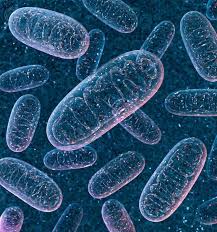
Mitochondria are highly dynamic organelles that can vary in size, shape, and internal structure depending on cell type, metabolic demands, and environmental conditions. Their morphology is crucial for their function as energy producers (ATP synthesis), signaling mediators, and regulators of cellular metabolism.
Mitochondria have a double membrane that delineates distinct functional regions:
Outer Membrane
- Contains porins (protein channels) that allow molecules up to ~5 kDa to pass through.
- Is relatively permeable to metabolites.
- Houses enzymes for lipid synthesis and protein import.
Intermembrane Space
- Contains enzymes for oxidative phosphorylation (e.g., cytochrome c).
- Plays a key role in apoptosis signaling pathways.
Inner Membrane
- Highly folded (→ cristae) to increase the surface area for ATP synthesis.
- Contains the electron transport chain and ATP synthase.
- Is highly selective in permeability, regulating metabolite transport through specialized transporters.
Matrix
- Contains mitochondrial DNA (mtDNA), ribosomes, and enzymes for the citric acid cycle and β-oxidation.
- Serves as the main site for oxidative metabolism.
Mitochondria are not rigid organelles but rather dynamic networks regulated by fusion and fission.
Disruptions in fusion/fission dynamics are associated with neurodegenerative diseases (e.g., Parkinson’s, Alzheimer’s) and metabolic disorders (e.g., diabetes).
Pathological Changes in Morphology
Disrupted mitochondrial structure can lead to various diseases:
- Swollen mitochondria → A sign of oxidative stress or cellular damage (e.g., in ischemia or toxin exposure).
- Fragmented mitochondria → May occur in neurodegenerative diseases.
- Altered cristae structure → Observed in cancer cells, as they produce energy differently (Warburg effect).
- Lack of fusion → Associated with muscle diseases and mitochondrial myopathies.
Mitochondrial Dysfunction
Mitochondrial dysfunction occurs when mitochondria fail to function efficiently, leading to energy loss, oxidative stress, and cellular damage.
S-adenosylmethionine (SAM, Ademetionine) is a crucial protective mechanism against mitochondrial dysfunction and aging.
Consequences of Mitochondrial Dysfunction
Mitochondria are responsible for many cellular processes—thus, their dysfunction can affect nearly every cell.
- Neurodegenerative diseases (Alzheimer’s, Parkinson’s, ALS)
- The brain requires large amounts of ATP—when mitochondria fail, neurons die.
- Excess ROS → Aggregation of misfolded proteins (e.g., beta-amyloid in Alzheimer’s).
- Disrupted fusion/fission → Neurons cannot regenerate healthy mitochondria.
- Cardiovascular diseases (heart failure, hypertension)
- Heart muscle cells have an extremely high number of mitochondria → Energy loss leads to weakness.
- Mitochondrial damage → Increased risk of heart attack and atherosclerosis.
- Muscle diseases & fatigue
- Myopathies: Muscle weakness, cramps, and rapid exhaustion.
- Chronic fatigue syndrome (CFS) is linked to impaired ATP production.
- Cancer
- Cancer cells often rely on an alternative energy source (Warburg effect → more glycolysis, less oxidative phosphorylation).
- Mutated mitochondria can promote uncontrolled cell growth.
- Metabolic disorders (diabetes, fatty liver disease)
- Insulin resistance is linked to mitochondrial dysfunction.
- Defective mitochondria fail to properly oxidize fatty acids → Fat accumulates in the liver & muscles.
S-Adenosylmethionine (SAM, Ademetionine) for Protecting Mitochondria from Oxidative Stress (ROS)
S-adenosylmethionine (SAM, Ademetionine) is a key metabolite in cellular metabolism and plays a crucial role in the methylation cycle, antioxidant defense, and mitochondrial function.
The human body produces about 6–8 grams of SAM daily. This amount is necessary to maintain numerous methylation reactions essential for DNA, proteins, neurotransmitters, cell membranes, and detoxification processes.
SAM is particularly important for protecting mitochondria from reactive oxygen species (ROS), which damage mitochondria and contribute to mitochondrial dysfunction.
What Is S-Adenosylmethionine (SAM, Ademetionine) and How Is It Formed?
SAM is a universal methyl group donor and is synthesized from methionine (an essential amino acid) and ATP (methionine cycle or one-carbon cycle).
The process occurs via the enzyme methionine adenosyltransferase (MAT) in mitochondria and the cytosol.
SAM Is Necessary For:
- Methylation of DNA, RNA, proteins & phospholipids
- Synthesis of neurotransmitters (serotonin, dopamine, adrenaline)
- Detoxification of homocysteine (methionine cycle)
- Production of glutathione – the most potent intracellular antioxidant
- Regulation of mitochondrial biogenesis & function
How Does SAM Protect Against Oxidative Stress (ROS)?
SAM promotes the synthesis of glutathione (GSH), the most powerful antioxidant in mitochondria.
Glutathione must be produced directly in each cell—it cannot be replaced by diet or blood transport.
- GSH detoxifies ROS and protects cells from oxidative damage.
- Low GSH levels indicate cellular aging and mitochondrial dysfunction.
- SAM regulates sulfur metabolism via transsulfuration, promoting GSH production.
SAM and Oxidative Protection Mechanisms:
- Methylation of antioxidant enzymes (SOD, catalase, glutathione peroxidase).
- Regulation of the electron transport chain → Reduces ROS leakage in mitochondria.
- Stabilization of the mitochondrial membrane → Prevents damage from lipid peroxidation.
Without sufficient SAM, the cell produces less glutathione, leading to increased ROS stress and mitochondrial dysfunction.
How to Optimize SAM Levels to Protect Mitochondria?
SAM is not stored long-term in the body but is continuously produced and degraded based on cellular needs.
SAM is highly unstable and degrades quickly when stored, heated, or processed.
Animal products contain SAM but in amounts too small to have a direct effect.
Foods Containing SAM (Estimated SAM Concentration)
| Food | Approximate SAM Concentration |
|---|---|
| Meat (esp. beef, pork, chicken) | Low (< 5 mg/100 g) |
| Fish (salmon, tuna, mackerel) | Very low (< 2 mg/100 g) |
| Eggs | Trace amounts (< 1 mg/100 g) |
| Dairy products | Minimal (< 0.5 mg/100 g) |
| Green vegetables (broccoli, spinach) | Barely detectable (< 0.1 mg/100 g) |
SAM occurs naturally in small amounts in some foods but is extremely unstable and degrades quickly. Therefore, dietary intake is not a reliable source.
Optimal Supplementation of S-Adenosylmethionine (SAM, Ademetionine):
- Recommended dose: 400 mg (preventive dose) – 1600 mg (therapeutic dose)
- B vitamins (B6, B9, B12) → Essential for SAM regeneration in the methionine cycle.
Final Thoughts
SAM is a crucial cofactor in methyl metabolism and influences numerous epigenetic mechanisms regulating mitochondrial energy metabolism. Optimized SAM levels through supplementation can reduce oxidative stress and protect mitochondria.
Eduard Rappold